
My Kitchen Table Classroom
I remember my old laptop humming on the kitchen table. Sunlight streamed in as I clicked “enroll.” That first lesson felt like opening a new spice jar. Ever felt stuck, wondering how a new skill could change your week? Learning online brought the world to my cozy home. It turned my quiet mornings into adventures. Now my coffee tastes better with a side of curiosity.
My First Digital “Bake-Off”
My first course was on digital photography. I tried to photograph my famous lemon cake. The photos were blurry, and I felt frustrated. But the lesson on lighting was a game-changer. That’s the joy of learning at home: small stumbles lead to big wins. It taught me patience, not just with a camera. Growth happens right where you are, one lesson at a time.
What Makes It Work
The best courses mix clear instruction with real-world projects. They are like a good recipe: simple steps, great results. You get knowledge you can use immediately. Which skill have you been most curious to try? Tell me in the comments below. The right class can add flavor to your daily routine. It makes learning feel personal and practical.
A Modern Tradition
Online learning really took off in the early 2000s. Universities wanted to share knowledge far beyond campus walls. It started a quiet revolution in home education. *Did you know the first online course was offered in 1984?* Now we can learn anything from anywhere. What topic should we explore together next? Share your ideas with our community.
| Ingredient | Amount | Note |
|---|---|---|
| Extra virgin olive oil | 1/4 cup | |
| Fresh garlic | 1 tablespoon | finely minced |
| Tomato paste | 2/3 cup | |
| Heavy cream | 1 1/3 cup | |
| Red pepper flakes | 1 teaspoon | to taste |
| Dried basil | 2 teaspoons | |
| Salt and pepper | To taste | |
| Freshly grated parmesan | 1/2 cup | more to taste |
| Unsalted butter | 2 tablespoons | |
| All-purpose flour | 1/3 cup | |
| Salt | To taste | |
| Black pepper | To taste | |
| Large eggs | 2 to 3 | whisked |
| Panko breadcrumbs | 1 cup | |
| Grated parmesan | 1/4 cup | |
| Italian seasoning | 1/2 tablespoon | |
| Salt | 1 teaspoon | |
| Black pepper | 1/2 teaspoon | |
| Burrata rounds | 2 | |
| Vegetable oil | As needed | for frying |
| Fresh basil | As needed | garnish |
| Grated parmesan | As needed | garnish |
Your Learning Kitchen
This recipe builds career skills from home. Think of it like a kitchen project. You need the right tools and a clear plan. Follow these steps to cook up success. Let’s get started.Step 1
Pick your main goal first. What job skill do you really need? Search for courses that match it. Read reviews from past students carefully.
Step 2
Check the teacher’s real-world experience. A good instructor has done the work. Make sure the course schedule fits your life. You need time to do the homework.
Step 3
Start with one course, not three. Finish all the lessons and projects. Practice the new skill right away. (My hard-learned tip: A certificate is nice, but real skill is the goal.)
Step 4
Add your new skill to your resume. Tell your network what you learned. Look for a small project to use it. This proves you can do the work. What’s the first thing you check in a course description? Share below!
Cook Time: 4–6 weeks
Total Time: 6 weeks 15 minutes
Yield: 1 new job skill
Category: Professional Development
Mix Up Your Learning Menu
Stuck in a learning rut? Try a new flavor. These spins keep your brain hungry. They make skill-building much more fun. Pick one that excites you today.The Skill Swap
Learn something outside your field. A marketer takes basic coding. It sparks new ideas and connections.
The Micro-Lesson
Use short, five-minute daily lessons. Apps offer tiny bits of knowledge. It builds a steady learning habit.
The Group Project
Join a course with a friend. Meet weekly to discuss the work. Accountability makes finishing more likely. Which creative spin would you try first? Vote in the comments!
Setting Your Success Table
Now, serve your new skill well. Pair it right to make it shine. Here are my favorite ways to present it. Each one adds real value. For sides, try a small volunteer project. Or update your online profile with details. For a garnish, share a key tip you learned. Pair it with a celebratory herbal tea. A crisp sparkling water works too. Which would you choose tonight: the volunteer project or the profile update?
Storing Your New Skills
Think of new skills like meal prep. You store them for later use. Keep notes in one digital folder. Bookmark key lesson links. I still use my notes from a baking course. Fresh skills help you tackle new work challenges. What skill are you most excited to learn first?
Fixing Common Learning Hurdles
Stuck? Here are quick fixes. Feeling overwhelmed? Break lessons into tiny steps. Short on time? Try twenty-minute daily sessions. Losing motivation? Find a learning buddy for check-ins. My neighbor and I learned coding together. Consistent small steps build real career momentum. This matters for long-term growth.
Your Course Questions Answered
Q: Are these courses good for total beginners?
A: Absolutely. Many start with the very basics. Look for “introductory” labels.
Q: Can I learn if my schedule is packed?
A: Yes. Most are self-paced. Fit in small lessons during lunch or evenings.
Q: What if I need to switch specializations?
A> Many platforms offer related courses. Skills often build on each other.
Q: How do I know a course is worth it?
A: Read reviews. Look for courses with hands-on projects.
Q: Can these courses lead to a real job?
A: They can. A finished certificate shows initiative. It proves your new skills.
Your Next Step
Learning feeds your career like good food feeds your family. Start with one small course. See where it leads you. I would love to hear about your journey.
Share your course wins or tag me on Pinterest @AmeliaHartwell.
Happy cooking! —Amelia Hartwell.


Best Online Courses for Career Advancement and Skills
Description
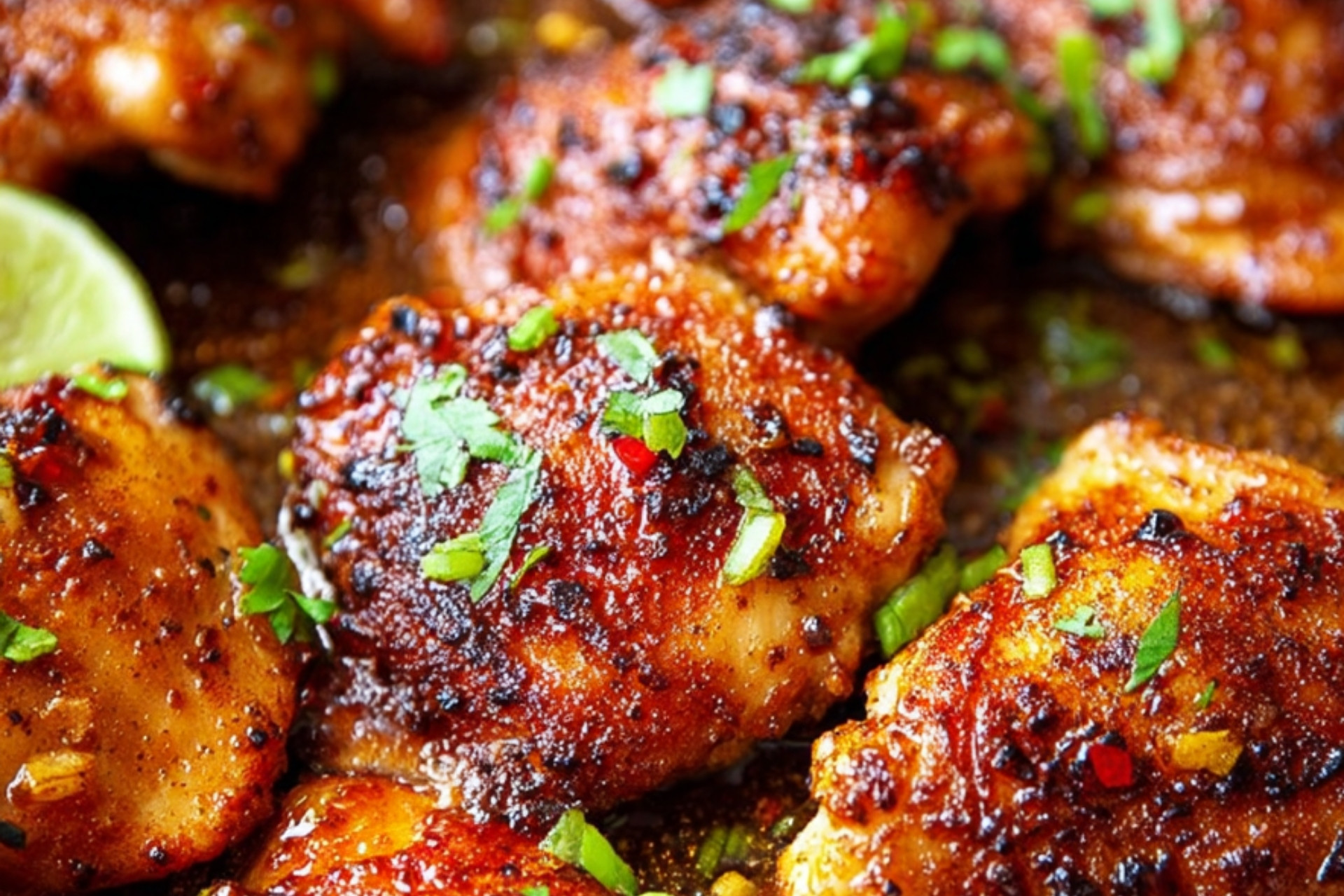
A creamy and tangy lemon caper pasta with tender, pan-seared chicken for a delicious and satisfying meal.
Ingredients
Instructions
- Combine the sauce ingredients in a medium measuring cup with a spout and set aside. Combine the flour and parmesan cheese for the chicken in a medium bowl and set aside.
- Measure out remaining ingredients before beginning.
- Cover the chicken with saran wrap and use the textured side of a meat mallet to tenderize each side. Cut it into 2-inch strips and pat it completely dry.
- Take 1 tbsp. olive oil and rub it over the chicken, this will help the flour mixture adhere to it. Transfer the chicken to the flour mixture and coat on all sides. (Breading one piece at a time works best).
- Heat remaining 2 tbsp. olive oil over medium-high heat. Add the chicken and sear until golden and cooked through, 3-4 minutes per side. Set aside.
- As you continue with the following steps, bring a large pot of water to a boil for the pasta. Once a boil is reached, stir in some salt. (I use ½ tablespoon Kosher salt.)
- Meanwhile, add the wine to the same skillet used to cook the chicken and set the heat to medium. Use a silicone spatula to “clean” the bottom and sides of the skillet, this will add more flavor to the sauce. Simmer until reduced by half, 4 to 5 minutes.
- Add 3 tbps. of the butter and the garlic and cook for 1 minute. Add the flour and stir continuously for 1 minute.
- Add the combined sauce mixture in small splashes, stirring continuously. Bring to a boil, then reduce to a simmer. Let it simmer, partially covered, while you cook the pasta to al dente according to package instructions.
- Use a ladle to remove ¼ cup of pasta water from the top of the pot where the foam is, then drain the rest.
- Add the pasta, reserved pasta water, and capers to the sauce and toss to coat. Reduce heat to low. Stir in the parmesan cheese and lemon juice.
- Add the chicken back and stir to combine and heat through. Note: The sauce will continue to thicken and get absorbed by the pasta upon standing.
- Add the cold butter and stir to combine and melt. Remove from heat. Garnish with lemon slices and parsley. Serve!
Notes
- For the white wine, a Sauvignon Blanc or Pinot Grigio works well. Radiator pasta (also called Radiatori) is recommended for its shape that holds sauce well, but penne or fusilli can be substituted.